
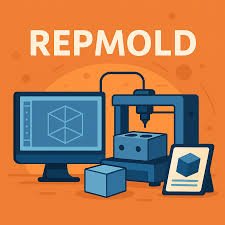
Repmold is an innovative technological solution that has garnered attention across various industries due to its potential to optimize production, improve efficiency, and enhance product quality. The term typically refers to a specialized system, platform, or machinery that integrates advanced processes, automation, and digital monitoring to streamline operations. In a world increasingly reliant on precision, efficiency, and technological integration, Repmold represents a convergence of engineering excellence and digital innovation.
The rise of Repmold reflects the growing demand for intelligent systems that can adapt to complex industrial environments while providing actionable insights and performance optimization. Its application spans multiple sectors, including manufacturing, automotive, plastics, and materials engineering, among others. This article provides an extensive exploration of Repmold, detailing its technological foundation, practical applications, industry significance, operational benefits, challenges, and future development. Each section is written in detailed, long-form paragraphs to ensure comprehensive understanding.
Technological Foundation of Repmold
At its core, Repmold integrates advanced engineering, automation, and digital monitoring technologies. These systems utilize precision machinery, sensors, and programmable controls to ensure accurate production processes, minimize human error, and maintain consistent quality. Modern iterations of Repmold technology may incorporate AI-driven analytics, IoT connectivity, and cloud-based management to optimize workflows and provide real-time monitoring of operations.
The technological architecture of Repmold allows it to manage complex production parameters, such as temperature, pressure, material consistency, and cycle times, with high precision. By leveraging predictive analytics and automated controls, the system can anticipate potential issues, reduce downtime, and ensure compliance with quality standards. This integration of mechanical and digital components exemplifies the evolving landscape of industrial innovation, where efficiency and precision are paramount.
Applications Across Industries
Repmold finds application in a wide array of industries, each benefiting from its ability to streamline production, improve quality, and enhance operational efficiency. In manufacturing, Repmold is often employed for molding, casting, and shaping processes, ensuring consistency and reducing material waste. Its precision capabilities allow for the production of complex components with tight tolerances, which is critical in sectors such as automotive, aerospace, and electronics.
In the plastics and polymer industries, Repmold facilitates high-volume production while maintaining product uniformity. Its advanced monitoring and automation capabilities enable manufacturers to adjust parameters in real time, optimizing efficiency and reducing defect rates. Beyond industrial applications, Repmold technology can be adapted for research and development settings, providing accurate, repeatable results for material testing, prototype production, and experimental processes.
Operational Benefits and Efficiency
Implementing Repmold provides substantial operational benefits, primarily through enhanced efficiency, reduced waste, and improved consistency. Automated processes minimize the risk of human error, streamline workflows, and reduce the need for extensive manual labor. By maintaining precise control over production parameters, Repmold ensures that outputs meet strict quality standards, which translates into higher customer satisfaction and reduced costs associated with defects.
Additionally, Repmold systems often incorporate data analytics tools that provide actionable insights into operational performance. Real-time monitoring enables managers to identify bottlenecks, predict maintenance needs, and optimize resource allocation. By integrating these features, Repmold contributes to a leaner, more responsive production environment, enhancing competitiveness and operational resilience.
Technological Innovations and Integration
Modern Repmold systems are at the forefront of technological innovation, integrating AI, machine learning, and IoT to enhance functionality and usability. Predictive algorithms can monitor machine health, adjust operational parameters, and optimize production cycles autonomously. Cloud-based platforms allow remote management, real-time data visualization, and seamless integration with enterprise resource planning (ERP) systems.
Emerging technologies, such as augmented reality (AR) for maintenance support and digital twins for process simulation, further expand the capabilities of Repmold systems. These innovations not only improve efficiency but also enable data-driven decision-making, proactive problem resolution, and continuous improvement. By adopting these advancements, industries can leverage Repmold to achieve unprecedented levels of precision, scalability, and operational intelligence.
Market Influence and Industry Impact
Repmold has a notable influence on the industrial and manufacturing markets by setting standards for precision, efficiency, and quality. Companies adopting Repmold systems often experience increased productivity, lower operational costs, and enhanced product reliability. Its role in shaping industry practices highlights the importance of integrating advanced technology into traditional production processes.
Furthermore, Repmold contributes to global competitiveness by enabling manufacturers to meet international quality standards, streamline supply chains, and reduce lead times. Its impact extends beyond individual organizations, influencing best practices, driving innovation, and fostering a culture of technological adoption across industries.
Challenges and Limitations
Despite its advantages, Repmold faces several challenges that must be addressed to maximize its potential. High initial investment costs, the need for specialized personnel, and complex integration with existing production lines can be barriers to adoption. Ensuring ongoing maintenance, calibration, and system updates requires dedicated resources and technical expertise.
Additionally, Repmold systems rely heavily on stable digital infrastructure and connectivity, which can pose risks in environments with limited network reliability. Adapting the technology to different materials, processes, or production scales also requires careful planning and expertise. Addressing these challenges is crucial to ensure that Repmold delivers its intended operational benefits and maintains long-term reliability.
Future Development and Prospects
The future of Repmold is promising, with potential for further technological advancement, expanded applications, and global adoption. Innovations such as AI-driven adaptive control, integration with Industry 4.0 frameworks, and enhanced remote monitoring will increase its efficiency, flexibility, and usability. Additionally, the development of modular, scalable systems will allow broader adoption in small and medium-sized enterprises, democratizing access to advanced production technologies.
As industries continue to prioritize automation, quality, and operational intelligence, Repmold is positioned to play a pivotal role in modern manufacturing and production processes. Its ability to integrate cutting-edge technology with practical applications ensures that it will remain relevant and influential in shaping the future of industrial operations.
Conclusion
Repmold represents a significant advancement in industrial and manufacturing technology, offering precision, efficiency, and operational intelligence across multiple sectors. By combining automation, digital monitoring, and advanced analytics, Repmold enhances production quality, reduces waste, and optimizes workflows, contributing to both business success and industry advancement.
While challenges such as initial investment, integration complexity, and maintenance requirements exist, the strategic adoption of Repmold can provide substantial benefits. Understanding its technological foundation, applications, and future prospects highlights how Repmold can transform production processes, support innovation, and strengthen competitiveness in the global market.
Frequently Asked Questions (FAQ)
What is Repmold?
Repmold is an advanced industrial system or technology that integrates automation, precision engineering, and digital monitoring to optimize production processes.
Which industries use Repmold?
It is widely used in manufacturing, automotive, aerospace, plastics, polymer production, and research and development sectors.
What are the benefits of using Repmold?
Benefits include improved operational efficiency, reduced material waste, enhanced product consistency, predictive maintenance, and optimized resource allocation.
What challenges are associated with Repmold?
Challenges include high initial costs, specialized personnel requirements, integration complexity, and reliance on digital infrastructure.
What is the future potential of Repmold?
Future developments include AI-driven adaptive control, Industry 4.0 integration, modular and scalable systems, remote monitoring, and broader adoption across industries.
Leave a Reply