
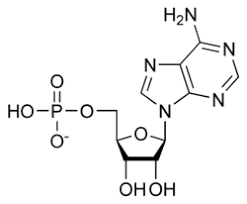
Nukleotidy, or nucleotides in English, are fundamental molecules that serve as the building blocks of nucleic acids, which include DNA and RNA. These essential biomolecules play a pivotal role in storing and transmitting genetic information, regulating cellular activities, and providing energy for various biochemical processes. Every living organism, from the simplest bacteria to complex multicellular organisms, relies on nucleotides to maintain proper cellular function and ensure the continuity of life. Understanding nukleotidy involves exploring their structure, types, biochemical functions, metabolism, and applications in modern medicine and biotechnology. Each nucleotide consists of three primary components: a nitrogenous base, a five-carbon sugar (ribose or deoxyribose), and one or more phosphate groups. The combination of these elements forms molecules that not only make up the genetic code but also participate in signaling pathways, energy transfer, and enzymatic reactions. The study of nukleotidy provides insights into genetic mechanisms, disease pathways, therapeutic innovations, and biotechnological applications, making them central to molecular biology and life sciences. This article delves deeply into the structure, classification, biological functions, synthesis, metabolism, research applications, and potential therapeutic uses of nukleotidy, providing a comprehensive understanding of their critical role in biology.
Structure and Components of Nukleotidy
The structure of nukleotidy is highly organized, consisting of three distinct components that work together to create versatile molecules capable of performing multiple cellular functions. The nitrogenous base can be purine (adenine and guanine) or pyrimidine (cytosine, thymine in DNA, and uracil in RNA), each containing a heterocyclic ring that enables hydrogen bonding and base pairing. The sugar component, either ribose in RNA or deoxyribose in DNA, provides the structural framework that links the nitrogenous base to the phosphate group. Phosphate groups, attached to the 5’ carbon of the sugar, facilitate polymerization through phosphodiester bonds, forming the backbone of nucleic acid strands. This tripartite structure allows nukleotidy to store genetic information efficiently, participate in enzymatic reactions, and act as precursors for other essential biomolecules, such as coenzymes and signaling molecules. The stability, reactivity, and versatility of these components make nukleotidy indispensable to cellular function and genetic continuity.
Types of Nukleotidy
Nukleotidy can be classified based on their nitrogenous bases and functional roles within the cell. The primary types include adenosine monophosphate (AMP), guanosine monophosphate (GMP), cytidine monophosphate (CMP), thymidine monophosphate (TMP), and uridine monophosphate (UMP). Beyond these, nucleotides can exist in diphosphate or triphosphate forms (ADP, ATP, GTP, etc.), which are critical for energy transfer and cellular signaling. Each nucleotide type contributes specifically to nucleic acid synthesis, energy metabolism, or intracellular communication. For instance, ATP (adenosine triphosphate) is universally recognized as the cell’s energy currency, powering reactions such as protein synthesis, membrane transport, and enzymatic activity. GTP plays roles in protein translation and signal transduction, while cyclic nucleotides like cAMP and cGMP function as second messengers in various signaling pathways. By understanding the specific types and functions of nukleotidy, scientists can map cellular processes, diagnose genetic disorders, and develop targeted therapies.
Biological Functions of Nukleotidy
The biological significance of nukleotidy extends beyond their role as genetic building blocks. They are essential for energy storage, enzymatic reactions, intracellular signaling, and metabolic regulation. In DNA and RNA synthesis, nucleotides form long polymer chains that encode genetic instructions, enabling replication, transcription, and translation processes necessary for life. Additionally, nucleotides participate in cellular signaling as second messengers, mediating responses to hormones, neurotransmitters, and environmental stimuli. ATP and GTP act as cofactors in numerous enzymatic reactions, ensuring energy transfer across metabolic pathways, while nucleotides also contribute to the formation of essential coenzymes like NAD+, FAD, and CoA, which drive redox reactions and biosynthetic processes. This multifunctionality underscores the critical role of nukleotidy in maintaining cellular homeostasis, supporting growth, responding to stress, and facilitating communication within and between cells.
Synthesis and Metabolism
Nukleotidy are synthesized through two primary pathways: de novo synthesis and salvage pathways. In de novo synthesis, nucleotides are constructed from basic molecular precursors, including amino acids, carbon dioxide, and ribose-5-phosphate, through a series of enzymatic reactions that generate purine and pyrimidine nucleotides. Salvage pathways, on the other hand, recycle pre-existing nucleobases and nucleosides to synthesize nucleotides, conserving energy and resources within the cell. Metabolism of nucleotides involves phosphorylation and dephosphorylation reactions that convert monophosphate forms to di- and triphosphate forms, regulating energy availability and nucleotide pools. Proper regulation of synthesis and metabolism is vital, as imbalances can lead to genetic instability, impaired cellular function, or diseases such as immunodeficiencies, gout, and cancer. The dynamic equilibrium of nucleotide synthesis, utilization, and degradation ensures that cells maintain sufficient resources for DNA/RNA synthesis, energy transfer, and signaling.
Role in Genetic Information Storage and Transmission
Nukleotidy are central to storing and transmitting genetic information, forming the molecular foundation of heredity. In DNA, specific sequences of nucleotides encode instructions for synthesizing proteins, controlling cellular activities, and directing organismal development. During replication, complementary base pairing ensures accurate copying of genetic information, while transcription converts DNA sequences into RNA, which is then translated into functional proteins. Mutations or errors in nucleotide sequences can disrupt these processes, leading to genetic disorders, disease susceptibility, or phenotypic variations. The ability of nucleotides to form stable double-stranded structures in DNA and flexible single-stranded RNA molecules underlies their dual roles in structural integrity and functional versatility, enabling life to preserve information across generations while adapting to environmental pressures.
Applications in Biotechnology and Medicine
Nukleotidy have revolutionized biotechnology and medicine, serving as the basis for genetic engineering, diagnostics, and therapeutic interventions. Synthetic nucleotides are employed in polymerase chain reaction (PCR) to amplify DNA, in next-generation sequencing for genetic analysis, and in CRISPR-Cas9 technology for gene editing. Additionally, nucleotides and their analogs are used as antiviral agents, chemotherapeutics, and immunomodulators, targeting viral replication or tumor cell proliferation. Research into nucleotide metabolism and signaling has also facilitated the development of drugs that modulate cellular pathways, offering therapeutic strategies for metabolic disorders, neurological conditions, and immune diseases. The versatility and specificity of nucleotides make them invaluable in precision medicine, enabling targeted interventions based on molecular and genetic profiles.
Challenges and Research Considerations
Despite extensive knowledge, research on nukleotidy continues to face challenges, including understanding complex signaling networks, regulating synthetic nucleotide applications, and mitigating potential side effects in therapeutic contexts. Experimental manipulation of nucleotide pathways requires precise control to avoid unintended cellular consequences, and interpreting the effects of nucleotide analogs demands sophisticated analytical techniques. Additionally, large-scale production of nucleotides for industrial, pharmaceutical, or research purposes necessitates cost-effective, high-purity synthesis methods. Addressing these challenges is critical for advancing molecular biology, biotechnology, and medical applications while ensuring safe and effective outcomes.
Future Perspectives
The study of nukleotidy is poised to expand with advances in genomics, synthetic biology, and nanotechnology. Future directions include designing synthetic nucleotides with novel properties, developing nucleotide-based nanomaterials, exploring RNA therapeutics, and leveraging nucleotides for artificial genetic systems. Enhanced understanding of nucleotide signaling pathways could lead to breakthroughs in personalized medicine, neurobiology, and metabolic engineering. As research evolves, nukleotidy will continue to be at the forefront of scientific innovation, offering opportunities to unlock new therapies, diagnostic tools, and biotechnological applications that address complex biological and medical challenges.
Conclusion
Nukleotidy are indispensable molecules that underpin the very essence of life, serving as the building blocks of genetic material, mediators of energy transfer, and regulators of cellular signaling. Their multifaceted roles encompass DNA/RNA synthesis, metabolic energy provision, intracellular communication, and participation in coenzyme formation. Understanding the structure, types, functions, metabolism, and applications of nucleotides provides a comprehensive view of cellular biology, molecular mechanisms, and therapeutic potential. As biotechnology and medicine advance, nucleotides remain central to innovation, enabling genetic engineering, precision therapeutics, and the development of novel molecular tools. By studying and harnessing nukleotidy, scientists and practitioners gain the ability to manipulate biological systems, address diseases, and explore the fundamental principles of life itself.
Frequently Asked Questions
What are nukleotidy?
Nukleotidy are molecules that serve as the building blocks of nucleic acids such as DNA and RNA and play key roles in energy transfer and cellular signaling.
What are the main components of a nucleotide?
A nucleotide consists of a nitrogenous base (purine or pyrimidine), a five-carbon sugar (ribose or deoxyribose), and one or more phosphate groups.
How do nucleotides store genetic information?
Sequences of nucleotides in DNA and RNA encode genetic instructions, directing protein synthesis and cellular functions.
What are the main types of nucleotides?
Primary nucleotides include AMP, GMP, CMP, TMP, and UMP, along with their diphosphate and triphosphate derivatives, such as ATP and GTP.
What roles do nucleotides play besides genetic coding?
They function in energy transfer (ATP, GTP), intracellular signaling (cAMP, cGMP), enzymatic reactions, and coenzyme formation (NAD+, FAD).
How are nucleotides synthesized?
Nucleotides are synthesized through de novo pathways from basic precursors or recycled via salvage pathways using pre-existing nucleobases or nucleosides.
Why are nucleotides important in medicine and biotechnology?
They are used in PCR, DNA sequencing, gene editing, antiviral and cancer therapies, and as research tools for studying cellular and genetic processes.
Leave a Reply