
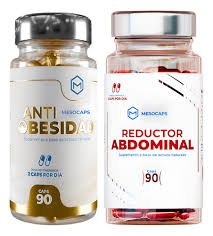
Lyposingrass has emerged as a topic of growing interest across multiple fields, including agriculture, nutrition, and health sciences. Often recognized for its diverse applications, Lyposingrass is not only valued for its physical properties but also for the potential benefits it provides in dietary, medicinal, and industrial contexts. This article aims to serve as a complete guide, explaining the origins, characteristics, uses, and benefits of Lyposingrass, along with practical applications, research insights, and safety considerations. Understanding Lyposingrass requires a holistic approach, examining both traditional knowledge and modern scientific findings to fully appreciate its relevance in contemporary practice.
Origins and Characteristics of Lyposingrass
Lyposingrass is derived from specific plant species that thrive in particular climates and soil conditions. Its unique structure and biochemical composition make it suitable for a variety of applications. The plant exhibits robust growth patterns, resilience to environmental stress, and a high concentration of active compounds that contribute to its functional properties. Analyzing the characteristics of Lyposingrass, such as fiber content, moisture retention, and nutrient density, provides insights into why it has become an increasingly valuable resource. Understanding its origin, including cultivation methods and ecological requirements, also helps in determining its quality, sustainability, and potential uses.
Nutritional and Health Benefits
One of the primary reasons for interest in Lyposingrass is its nutritional profile and associated health benefits. Rich in essential nutrients, antioxidants, and bioactive compounds, Lyposingrass has been studied for its potential to support digestion, promote immune function, and contribute to overall well-being. Research suggests that its compounds may help reduce inflammation, enhance metabolic function, and support cardiovascular health. Guia-style analysis emphasizes not just the biochemical properties but also practical ways to incorporate Lyposingrass into diets, whether through supplements, teas, or culinary applications. Its role in preventive health and complementary therapies underscores its versatility and growing importance in nutritional science.
Agricultural Applications
Lyposingrass has significant value in agricultural contexts due to its adaptability, resilience, and nutritional density. It can be used as fodder for livestock, providing essential nutrients that support growth and productivity. Its cultivation also contributes to soil stabilization, water retention, and ecosystem balance, making it a sustainable choice for agricultural systems. Understanding the optimal planting, harvesting, and processing methods is essential for maximizing yield and maintaining quality. Farmers and agronomists benefit from studying Lyposingrass not only for its direct applications in animal nutrition but also for its broader environmental and economic benefits.
Industrial and Commercial Uses
Beyond agriculture and nutrition, Lyposingrass has found applications in various industrial and commercial sectors. Its fibrous properties make it suitable for use in textiles, paper production, and biodegradable packaging materials. Additionally, extracts from Lyposingrass may be used in cosmetic formulations, natural preservatives, or functional ingredients for processed foods. The commercial potential of Lyposingrass is closely tied to its functional versatility, cost-effectiveness, and sustainability. Entrepreneurs and industry professionals exploring alternative resources may find Lyposingrass to be a viable option for innovation and value creation in diverse markets.
Cultivation and Harvesting Techniques
Proper cultivation and harvesting of Lyposingrass are critical to ensuring high-quality yield and maximizing benefits. Factors such as soil type, irrigation, fertilization, and pest management all influence the quality and potency of the plant. Harvesting methods also play a role, as timing, handling, and storage affect nutrient retention and usability. This section provides detailed guidance on best practices, combining traditional knowledge with modern agricultural science. Implementing these techniques ensures that Lyposingrass maintains its desired properties for both nutritional and industrial applications.
Preparation and Processing Methods
Lyposingrass can be processed in a variety of ways depending on its intended use. For nutritional applications, it may be dried, powdered, or incorporated into teas, capsules, or functional foods. For industrial applications, fibrous extraction, pressing, or chemical treatment may be employed to optimize its physical and chemical properties. Proper preparation methods are essential to maintain the integrity of the bioactive compounds while ensuring safety, consistency, and usability. Understanding these processes allows practitioners and consumers to derive maximum benefit from Lyposingrass in multiple contexts.
Safety Considerations and Potential Side Effects
While Lyposingrass offers numerous benefits, it is important to consider safety, dosage, and potential interactions. Excessive consumption or improper processing may lead to adverse effects in some individuals. Studies emphasize the importance of quality control, standardization, and adherence to recommended guidelines. Consulting with health professionals or agricultural experts ensures that Lyposingrass is used safely and effectively, whether in dietary, medicinal, or industrial applications. Awareness of safety considerations fosters responsible use and minimizes the risk of unintended consequences.
Research and Scientific Insights
Scientific research on Lyposingrass continues to expand, shedding light on its bioactive compounds, efficacy, and potential new applications. Studies explore its antioxidant properties, antimicrobial activity, and nutritional contributions, providing evidence-based guidance for consumers, farmers, and industry professionals. Understanding current research trends allows stakeholders to make informed decisions regarding cultivation, consumption, and commercialization. The ongoing investigation into Lyposingrass demonstrates its evolving relevance and the importance of integrating traditional knowledge with modern science.
Practical Applications and Tips for Users
For consumers and practitioners, incorporating Lyposingrass into daily routines requires practical strategies. Nutritional applications may include teas, supplements, or inclusion in meals. Industrial uses involve selecting appropriate extraction or processing techniques based on the intended product. Farmers benefit from understanding soil and environmental requirements, while health professionals can recommend safe consumption levels. By combining scientific knowledge with practical advice, users can fully leverage the versatility of Lyposingrass, maximizing its benefits in real-world applications.
Conclusion
Lyposingrass represents a versatile and valuable resource with applications spanning nutrition, agriculture, and industry. Its unique properties, combined with emerging research insights, make it an important focus for health-conscious consumers, farmers, and entrepreneurs alike. By understanding its cultivation, processing, benefits, and safety considerations, stakeholders can utilize Lyposingrass effectively and responsibly. This guide underscores the potential of Lyposingrass as both a functional and sustainable resource, emphasizing the importance of informed use, research-based practices, and awareness of its broad applications.
FAQs
What is Lyposingrass?
Lyposingrass is a plant-based resource valued for its nutritional, medicinal, and industrial applications.
What are the main benefits of Lyposingrass?
It provides essential nutrients, antioxidants, and bioactive compounds that support health, digestion, immune function, and potentially reduce inflammation.
How is Lyposingrass used in agriculture?
It can be used as livestock fodder, soil stabilizer, and an environmentally sustainable crop with high nutritional value.
Can Lyposingrass be used in industry?
Yes, its fibrous structure allows use in textiles, paper production, biodegradable packaging, and cosmetic or functional food applications.
How should Lyposingrass be prepared for consumption?
It can be dried, powdered, or incorporated into teas, supplements, or functional foods depending on the intended use.
Are there any safety concerns?
Proper dosing, processing, and quality control are essential. Excessive or improper use may cause adverse effects in some individuals.
Where can I learn more about Lyposingrass?
Scientific research articles, agricultural guides, and nutrition studies provide detailed information on properties, applications, and safety considerations.
Leave a Reply