
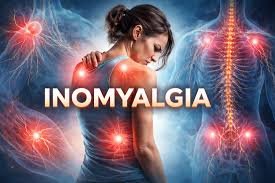
Inomyalgia is a term used to describe pain, tenderness, or discomfort in the muscles, often resulting from injury, overuse, stress, or underlying medical conditions. Muscle pain is a common complaint affecting people of all ages and lifestyles, from athletes who exert their muscles intensively to office workers who maintain prolonged sedentary positions. Inomyalgia can manifest as acute, short-term pain or chronic, persistent discomfort that significantly impacts quality of life. Understanding the causes, symptoms, diagnosis, and treatment of inomyalgia is crucial for effective management and prevention. This article explores inomyalgia comprehensively, including its biological mechanisms, associated conditions, treatment strategies, lifestyle adjustments, and holistic approaches, aiming to provide readers with practical insights and actionable knowledge for improving muscle health and overall wellbeing.
Causes of Inomyalgia
The causes of inomyalgia are diverse, ranging from physical strain to systemic conditions. Common triggers include repetitive movements, heavy lifting, overexertion during exercise, and poor posture. Inflammatory conditions such as myositis or autoimmune disorders can also result in muscle pain, along with metabolic imbalances, vitamin deficiencies, or hormonal fluctuations. Stress and psychological factors may exacerbate muscular tension, leading to persistent discomfort. Additionally, infections, medications, and certain chronic diseases such as fibromyalgia or chronic fatigue syndrome are linked to inomyalgia. Understanding the underlying cause is essential for effective treatment, as addressing the root issue can prevent recurrence, reduce complications, and promote overall muscle health.
Symptoms of Inomyalgia
Inomyalgia typically presents with a range of symptoms depending on severity and cause. Common signs include localized or widespread muscle pain, stiffness, tenderness to touch, swelling, cramps, and limited range of motion. In chronic cases, fatigue, sleep disturbances, and emotional stress may accompany muscular discomfort. Muscle weakness or spasms can occur in more severe conditions, and prolonged pain may affect daily functioning and mental health. Proper identification of symptoms, including their onset, duration, and triggers, allows healthcare providers to differentiate inomyalgia from other musculoskeletal or systemic disorders, ensuring accurate diagnosis and treatment planning.
Diagnosis and Medical Evaluation
Accurate diagnosis of inomyalgia involves a combination of patient history, physical examination, and diagnostic testing. Healthcare providers assess pain location, intensity, duration, and factors that worsen or relieve discomfort. Blood tests, imaging studies such as MRI or ultrasound, and electromyography may be utilized to identify inflammation, structural damage, or neurological involvement. In some cases, referrals to specialists such as rheumatologists, neurologists, or physical therapists are necessary to evaluate complex or chronic muscle pain. Early and precise diagnosis is crucial, as it enables targeted interventions, reduces the risk of complications, and facilitates timely management strategies to restore function and quality of life.
Conventional Treatment Approaches
Treatment of inomyalgia varies depending on severity, underlying cause, and individual health factors. Common conventional approaches include rest, physical therapy, analgesics, and anti-inflammatory medications. Physical therapy focuses on strengthening muscles, improving flexibility, and reducing tension through stretching, massage, and targeted exercises. In some cases, corticosteroid injections or other medical interventions may be recommended to address severe inflammation or specific musculoskeletal issues. Pain management strategies, including over-the-counter or prescription medications, are often combined with lifestyle adjustments to provide comprehensive relief. Consistent follow-up and monitoring ensure that treatments remain effective and adjust to changes in symptoms or underlying conditions.
Holistic and Complementary Approaches
Holistic management of inomyalgia often incorporates complementary therapies to support physical and emotional wellbeing. Techniques such as acupuncture, yoga, tai chi, and meditation can reduce muscle tension, improve circulation, and promote relaxation. Nutritional support, including adequate protein, magnesium, vitamin D, and hydration, contributes to muscle repair and overall health. Mind-body practices help alleviate stress-related muscular tension, enhancing recovery and resilience. Holistic approaches recognize that inomyalgia is influenced not only by physical factors but also by lifestyle, mental health, and environmental stressors, providing a multifaceted strategy for long-term relief and prevention.
Exercise and Rehabilitation for Muscle Health
Regular, targeted exercise is vital for preventing and managing inomyalgia. Low-impact aerobic exercises, strength training, and stretching routines help maintain muscle tone, joint flexibility, and overall functional fitness. Rehabilitation programs are often designed to restore movement, alleviate pain, and prevent future injury. Gradual progression, proper technique, and personalized exercise plans reduce the risk of aggravating muscle pain while promoting strength and endurance. Incorporating movement into daily routines, combined with ergonomic practices and posture correction, is essential for sustaining muscle health and reducing the recurrence of inomyalgia over time.
Lifestyle Adjustments and Prevention
Preventing inomyalgia involves proactive lifestyle strategies that reduce strain and promote muscular resilience. Maintaining proper posture during work, using ergonomic furniture, pacing physical activity, and taking regular breaks during repetitive tasks are critical preventive measures. Adequate sleep, balanced nutrition, stress management, and hydration further support muscle recovery and overall health. Awareness of risk factors, including overtraining, improper lifting, or prolonged immobility, allows individuals to make informed choices that protect their muscles from injury and discomfort. By integrating preventive practices into daily life, inomyalgia can be managed effectively and its impact minimized.
Psychological and Emotional Impacts
Chronic inomyalgia can have profound psychological and emotional effects. Persistent pain may lead to anxiety, depression, irritability, and reduced quality of life. Cognitive-behavioral therapy, mindfulness, and stress reduction techniques are effective tools to manage the emotional burden of chronic muscle pain. Addressing both physical and mental components of inomyalgia ensures a holistic approach to treatment, allowing individuals to regain confidence, improve coping strategies, and enhance their overall sense of wellbeing.
Emerging Research and Future Directions
Research into inomyalgia continues to advance, exploring innovative treatment options, underlying mechanisms, and preventive strategies. Studies on muscle regeneration, anti-inflammatory therapies, stem cell treatments, and wearable technology for monitoring muscle activity hold promise for more precise and effective interventions. Understanding genetic, biochemical, and neurological factors contributing to muscle pain will enable targeted therapies tailored to individual needs. The integration of digital health tools, telemedicine, and personalized wellness programs represents a future where inomyalgia management is proactive, adaptive, and more efficient.
Conclusion
Inomyalgia is a complex condition encompassing acute and chronic muscle pain with physical, emotional, and lifestyle implications. Effective management requires a comprehensive approach that combines conventional treatments, holistic therapies, targeted exercise, and lifestyle adjustments. Early diagnosis, personalized treatment plans, and ongoing monitoring are essential for achieving relief, restoring function, and preventing recurrence. By addressing both physical and psychological aspects, individuals can improve quality of life, enhance resilience, and maintain optimal muscle health. Awareness, proactive self-care, and integration of emerging therapies ensure that inomyalgia can be managed effectively, enabling individuals to live a pain-free, balanced, and fulfilling life.
FAQs
What is inomyalgia?
Inomyalgia refers to pain, tenderness, or discomfort in the muscles caused by injury, overuse, stress, or underlying medical conditions.
What are the common causes of inomyalgia?
Causes include repetitive movements, overexertion, poor posture, inflammation, metabolic imbalances, infections, and chronic conditions like fibromyalgia.
How is inomyalgia diagnosed?
Diagnosis involves patient history, physical examination, blood tests, imaging studies, and sometimes referrals to specialists such as rheumatologists or neurologists.
What treatments are available for inomyalgia?
Treatment options include rest, physical therapy, analgesics, anti-inflammatory medications, corticosteroid injections, complementary therapies, and lifestyle adjustments.
Can lifestyle changes help prevent muscle pain?
Yes, proper posture, ergonomic practices, balanced nutrition, regular exercise, hydration, and stress management are essential for prevention.
Are there holistic approaches to manage inomyalgia?
Yes, methods like yoga, meditation, acupuncture, tai chi, and mindful relaxation support physical and emotional wellbeing.
How does chronic inomyalgia affect mental health?
Persistent muscle pain can lead to stress, anxiety, depression, and reduced quality of life, making emotional support and stress management important.
Leave a Reply