
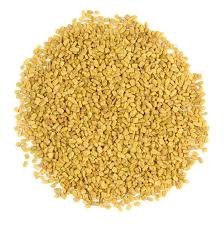
Foenegriek, also known as fenugreek in English, is a versatile plant recognized for its culinary, medicinal, and industrial applications. With a long history in traditional medicine and cooking, Foenegriek has been valued for its distinctive aroma, rich nutrient content, and bioactive compounds. The plant is utilized in various forms including seeds, leaves, and extracts, each offering unique benefits. This article aims to provide a complete guide to Foenegriek, covering its origins, chemical composition, health benefits, cultivation techniques, culinary uses, industrial applications, safety considerations, and practical tips for users. By exploring both traditional knowledge and modern scientific research, readers can gain a comprehensive understanding of why Foenegriek remains an important and versatile resource.
Origins and Characteristics of Foenegriek
Foenegriek is native to the Mediterranean region, Western Asia, and parts of India, thriving in dry, well-drained soils with abundant sunlight. The plant is characterized by its trifoliate leaves, yellowish-white flowers, and small, aromatic seeds. Its seeds are particularly prized for their high concentration of bioactive compounds, including saponins, flavonoids, and alkaloids, which contribute to its nutritional and medicinal properties. Understanding the growth conditions, morphology, and chemical composition of Foenegriek is essential for optimizing its cultivation and application. Its resilience and adaptability make it a popular choice for farmers and herbal practitioners seeking both yield and quality.
Nutritional and Health Benefits
Foenegriek is celebrated for its health-promoting properties. Its seeds contain protein, fiber, vitamins, minerals, and phytonutrients that support digestion, blood sugar regulation, and overall wellness. Studies have suggested that Foenegriek may help improve insulin sensitivity, reduce cholesterol levels, and support lactation in nursing mothers. Additionally, its anti-inflammatory and antioxidant properties contribute to cardiovascular and metabolic health. Incorporating Foenegriek into daily diets through teas, powders, capsules, or culinary dishes allows individuals to benefit from its nutritional richness while enhancing overall health and vitality.
Culinary Applications
Foenegriek plays a vital role in global cuisines, particularly in Indian, Middle Eastern, and North African dishes. Its seeds are often roasted, ground, or sprouted to enhance flavor and aroma in curries, stews, and spice blends such as garam masala. Foenegriek leaves, known as methi, are used fresh or dried in salads, breads, and vegetable dishes, providing a distinctive bitter-sweet flavor. Guia-style culinary guidance emphasizes optimal preparation techniques to preserve nutrient content and enhance taste. Understanding these applications allows both professional chefs and home cooks to maximize the culinary and health benefits of Foenegriek.
Medicinal and Therapeutic Uses
Beyond its nutritional value, Foenegriek has a long-standing history in traditional medicine for managing a variety of health conditions. Herbalists have used it to improve digestion, stimulate appetite, regulate blood sugar, and enhance lactation. Modern research supports several of these applications, highlighting the plant’s potential in complementary and alternative therapies. Guia-style analysis provides practical guidance for safe and effective use, including dosage recommendations, preparation methods, and potential interactions. By integrating Foenegriek into therapeutic practices, individuals can leverage its natural bioactive compounds to support overall health.
Agricultural Cultivation and Harvesting
Effective cultivation of Foenegriek requires attention to soil type, climate, irrigation, and pest management. The plant thrives in semi-arid conditions, tolerates drought, and grows well in sandy or loamy soils. Harvesting typically occurs when the seeds reach maturity, requiring careful timing to ensure maximum potency and nutritional value. Post-harvest handling, including drying and storage, is critical to preserve quality and prevent contamination. This section provides step-by-step guidance on cultivation and harvesting techniques for farmers and herbal practitioners seeking to optimize yield and maintain the desired properties of Foenegriek.
Industrial Applications
Foenegriek’s bioactive compounds and fibrous nature extend its use into industrial applications. Its extracts are utilized in cosmetics, skincare products, and dietary supplements due to their antioxidant and anti-inflammatory properties. In addition, Foenegriek is employed in functional foods, natural flavorings, and nutraceuticals. Its versatility, cost-effectiveness, and sustainability make it a valuable resource for entrepreneurs, researchers, and manufacturers seeking natural ingredients with broad applicability. Understanding these industrial applications highlights the economic and functional potential of Foenegriek beyond traditional culinary and medicinal contexts.
Preparation and Processing Methods
Foenegriek can be processed in various forms depending on its intended use. Seeds may be roasted, ground into powders, or converted into extracts, while leaves are consumed fresh, dried, or powdered. Proper processing techniques ensure preservation of bioactive compounds, flavor, and efficacy. For medicinal use, standardized extracts may be preferred to control dosage and potency. Industrial applications often involve chemical or mechanical processing to extract functional compounds efficiently. Understanding these methods allows practitioners, consumers, and manufacturers to derive maximum benefits from Foenegriek.
Safety Considerations and Potential Side Effects
While Foenegriek is generally considered safe, excessive consumption or improper use can lead to side effects such as gastrointestinal discomfort, allergic reactions, or interactions with medications like blood thinners. Pregnant women and individuals with specific health conditions should consult healthcare professionals before using Foenegriek supplements. Quality control, standardization, and adherence to recommended dosages are critical to ensure safe and effective use. Awareness of these safety considerations promotes responsible consumption and minimizes potential risks associated with Foenegriek.
Research and Scientific Insights
Scientific research on Foenegriek continues to uncover its therapeutic potential and nutritional value. Studies explore its role in blood sugar management, cholesterol reduction, anti-inflammatory activity, and lactation support. Ongoing research also examines novel applications in functional foods, nutraceuticals, and cosmetic formulations. By integrating traditional knowledge with modern scientific findings, users, researchers, and industry professionals can make informed decisions regarding cultivation, consumption, and commercialization. This section emphasizes the importance of evidence-based understanding to fully leverage the benefits of Foenegriek.
Practical Applications and Tips for Users
For practical use, Foenegriek can be incorporated into daily routines through teas, powders, capsules, or culinary dishes. Farmers should optimize soil and climate conditions for cultivation, while health practitioners should provide guidance on safe dosages and potential interactions. Industrial users can employ extraction and processing techniques to create functional products. By combining scientific knowledge with practical advice, users can maximize the benefits of Foenegriek in nutrition, health, agriculture, and industry, ensuring its effective and responsible use.
Conclusion
Foenegriek represents a versatile and valuable plant with applications spanning nutrition, medicine, agriculture, and industry. Its unique properties, combined with scientific research and traditional knowledge, make it a powerful tool for health, culinary, and commercial purposes. By understanding cultivation, processing, benefits, and safety considerations, users can utilize Foenegriek effectively and responsibly. This guide underscores the importance of informed use, research-backed practices, and awareness of its multifaceted applications, highlighting Foenegriek as a sustainable and functional resource with enduring relevance.
FAQs
What is Foenegriek?
Foenegriek, also known as fenugreek, is a plant valued for its culinary, medicinal, and industrial uses.
What are the health benefits of Foenegriek?
Foenegriek supports digestion, blood sugar regulation, lactation, cardiovascular health, and has anti-inflammatory and antioxidant properties.
How is Foenegriek used in cooking?
Its seeds are roasted or ground into powders for spices, while leaves are used fresh or dried in dishes and teas.
Can Foenegriek be used industrially?
Yes, it is used in cosmetics, functional foods, dietary supplements, and nutraceutical products due to its bioactive compounds.
Are there safety concerns with Foenegriek?
Excessive use or allergies may cause side effects. Consultation with healthcare professionals is advised for certain populations.
How should Foenegriek be processed?
It can be roasted, powdered, or extracted depending on intended use, ensuring preservation of bioactive compounds and flavor.
Where can I learn more about Foenegriek?
Scientific studies, agricultural guides, nutrition research, and herbal medicine literature provide in-depth information.
Leave a Reply