
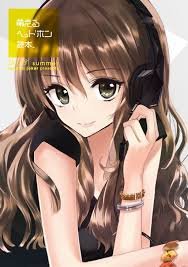
Doujin Moe is a vibrant subculture and artistic movement that has gained prominence in the world of Japanese media and fan communities. It combines the concepts of doujin, which refers to self-published works often created by amateur artists, and moe, a term used to describe the affection or emotional attachment toward fictional characters, typically in anime, manga, or games. Doujin Moe represents a unique convergence of creativity, fandom, and cultural expression, where enthusiasts produce, share, and celebrate content inspired by popular franchises or entirely original creations.
The significance of Doujin Moe lies not only in its artistic output but also in its role as a cultural phenomenon that fosters community, collaboration, and innovation. Through doujin works, artists explore new ideas, experiment with storytelling techniques, and cultivate styles that may eventually influence mainstream media. Moe, on the other hand, emphasizes emotional resonance, often portraying characters that evoke feelings of admiration, empathy, or endearment from the audience. Together, Doujin Moe embodies a creative ecosystem where passion, skill, and fandom intersect, producing works that range from lighthearted fan art and comics to elaborate narratives and digital games. Understanding Doujin Moe requires exploring its history, creative processes, community dynamics, cultural impact, and broader significance in both Japanese media and global fandom communities.
The History and Origins of Doujin Moe
The roots of Doujin Moe trace back to Japan’s long-standing tradition of self-published works, which emerged as a response to mainstream publishing constraints. Artists who wanted to share their stories, characters, or illustrations without the limitations of commercial oversight turned to doujin circles as a creative outlet. The rise of manga, anime, and video games in the late 20th century provided a fertile ground for doujin communities to flourish, allowing fans to reinterpret or expand upon existing franchises while developing original content.
Moe culture emerged alongside these developments, emphasizing emotional attachment and character-driven storytelling. Characters designed with distinctive, endearing traits became focal points for both artistic expression and fan engagement. The combination of doujin’s independent creativity with moe’s emotional appeal created a dynamic space where artists and fans could experiment, collaborate, and develop content that resonated deeply with niche audiences. Over time, Doujin Moe evolved into a sophisticated subculture that blends artistic skill, fan devotion, and narrative exploration, contributing to Japan’s broader creative ecosystem and influencing global fandom trends.
Creative Processes in Doujin Moe
Creating Doujin Moe content involves multiple layers of artistic and narrative development. Artists typically begin by conceptualizing characters or storylines that align with their interests or fan preferences. For fan-based works, this may involve reimagining characters from popular anime, manga, or games, while original creations allow for complete freedom in character design, world-building, and plot development.
Illustration is central to Doujin Moe, with artists emphasizing expressive, emotionally resonant character designs. The moe aesthetic focuses on traits that evoke affection, empathy, or admiration—such as expressive eyes, youthful appearance, or distinctive personality quirks. Storytelling techniques often incorporate humor, romance, adventure, or drama, and creators frequently experiment with narrative formats, including comics, short stories, digital games, or interactive media. Beyond artistic creation, many doujin artists collaborate in circles, sharing skills, providing feedback, and refining their works collectively, fostering a supportive and dynamic creative environment.
Community and Fan Engagement
A key aspect of Doujin Moe is its emphasis on community engagement. Doujin circles, conventions, online platforms, and social media provide spaces for artists to share their creations, receive feedback, and connect with audiences who appreciate their work. Conventions such as Comiket in Japan have become cultural landmarks, drawing thousands of artists and fans annually to exchange doujin works, participate in workshops, and celebrate fandom culture.
Fan interaction plays a crucial role in shaping the evolution of Doujin Moe. Audience feedback, popularity of characters, and community trends influence artistic decisions, narrative directions, and even stylistic choices. This participatory dynamic strengthens the connection between creators and consumers, allowing fans to contribute to the culture actively rather than remaining passive observers. By fostering collaboration, networking, and communal support, Doujin Moe exemplifies a creative ecosystem where artistic production and fandom culture coexist symbiotically.
Cultural Impact of Doujin Moe
Doujin Moe has had a profound impact on both Japanese media and international fandoms. It provides a platform for aspiring artists to develop skills, experiment with storytelling techniques, and gain recognition without reliance on mainstream publishing channels. Many professional manga artists, illustrators, and game developers began their careers in doujin communities, highlighting the movement’s role as a training ground and incubator for creative talent.
The influence of Doujin Moe extends globally through fan translations, online communities, and the proliferation of digital content. Western audiences increasingly engage with doujin works, contribute to fan art, and participate in international conventions, creating cross-cultural exchanges that expand the reach and diversity of moe-inspired content. This global impact demonstrates how grassroots creative movements can transcend local boundaries, contributing to broader media landscapes and inspiring creativity worldwide.
Advantages of Engaging with Doujin Moe
Participating in Doujin Moe culture offers numerous benefits for both creators and fans. For artists, it provides a platform to develop technical skills, experiment with narrative forms, and establish a unique artistic identity. It also allows creators to gain feedback, build a following, and explore potential career opportunities in mainstream media.
Fans benefit from access to diverse, emotionally resonant content that may not be available through commercial channels. Doujin Moe encourages creativity, community participation, and cultural literacy, fostering appreciation for both artistic skill and character-driven storytelling. The collaborative and participatory nature of the culture also enables meaningful connections between artists and audiences, creating shared experiences that strengthen engagement and fandom identity.
Challenges and Considerations
Despite its popularity, Doujin Moe presents several challenges. Intellectual property rights are a key consideration, especially for works based on existing franchises. Creators must navigate legal boundaries to avoid infringement while maintaining the spirit of fan expression. Additionally, the competitive nature of doujin markets can place pressure on artists to produce high-quality content consistently, which may lead to stress or creative burnout.
Maintaining originality while adhering to popular trends is another challenge, as artists balance personal vision with audience expectations. Digital distribution and online sharing also raise concerns about copyright, content piracy, and proper attribution. By understanding and addressing these challenges, creators can participate responsibly, ensuring that Doujin Moe remains a sustainable and respected creative practice.
Frequently Asked Questions (FAQ)
What is Doujin Moe?
Doujin Moe is a subculture combining self-published creative works (doujin) and characters designed to evoke affection (moe), typically found in anime, manga, or games.
Where can Doujin Moe content be found?
It can be accessed at conventions like Comiket, online fan communities, digital platforms, and specialized doujin marketplaces.
Who creates Doujin Moe works?
Both amateur and professional artists participate, often forming doujin circles to collaborate, share skills, and produce fan-driven or original content.
What makes a character “moe”?
Moe characters evoke emotional attachment through traits such as innocence, expressiveness, distinctive personality, or endearing qualities.
Why is Doujin Moe culturally significant?
It fosters creativity, community engagement, skill development, and cross-cultural exchange, influencing both Japanese media and international fandoms.
Conclusion
Doujin Moe represents a dynamic intersection of creativity, fandom, and emotional engagement, providing artists and enthusiasts with a space to explore, share, and celebrate their passions. Its impact extends beyond artistic expression, influencing media trends, fostering global cultural exchange, and serving as a platform for emerging talent.
By embracing both the artistic and emotional dimensions of storytelling, Doujin Moe cultivates a unique creative ecosystem that thrives on collaboration, experimentation, and community involvement. Despite challenges such as intellectual property considerations and market pressures, the culture continues to evolve, inspiring new generations of creators and fans alike. Ultimately, Doujin Moe exemplifies how grassroots creativity, emotional resonance, and dedicated communities can shape cultural landscapes, leaving lasting contributions to both local and international media cultures.
Leave a Reply