
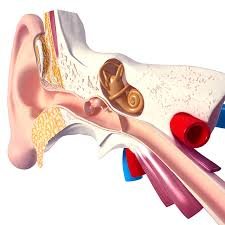
Eustachian Tube Dysfunction (ETD) is a condition in which the Eustachian tubes, small passageways connecting the middle ear to the back of the nose and throat, fail to regulate air pressure properly. This can lead to discomfort, pain, a feeling of fullness in the ears, or temporary hearing changes. People with ETD often wonder whether exposure to high-decibel environments or activities that generate sudden air pressure changes, such as using a leaf blower, could exacerbate their symptoms or cause further damage. Leaf blowers are commonly used for landscaping and yard maintenance, but they produce intense noise levels and powerful air movement, both of which may have implications for individuals with Eustachian tube issues. This article explores the risks, physiological mechanisms, precautions, and safe practices for people with ETD when considering the use of leaf blowers, providing comprehensive guidance for maintaining ear health while completing outdoor chores.
Understanding Eustachian Tube Dysfunction
The Eustachian tubes function to equalize pressure between the middle ear and the external environment and to drain fluid from the middle ear. When these tubes are blocked or fail to open properly, pressure imbalances occur, which can result in ear pain, popping sensations, tinnitus, or temporary hearing loss. ETD can be caused by allergies, sinus infections, colds, structural abnormalities, or sudden altitude changes. Understanding this mechanism is critical for assessing how external factors, such as loud noise or air pressure fluctuations from leaf blowers, might aggravate symptoms. The sensitivity of the middle ear means that even moderate noise exposure or pressure changes can cause discomfort, especially in individuals with chronic or acute Eustachian tube dysfunction.
Noise Levels Produced by Leaf Blowers
Leaf blowers, whether gas-powered or electric, are notorious for high decibel output, often ranging between 70 dB to 100 dB, depending on the model. Exposure to prolonged noise above 85 dB can cause temporary or permanent hearing damage, particularly for individuals with pre-existing ear conditions like ETD. The noise generated by leaf blowers not only affects the external ear but can also impact the inner ear and middle ear pressure regulation, potentially worsening discomfort associated with Eustachian tube dysfunction. Understanding the intensity and duration of exposure is crucial for anyone considering operating a leaf blower with ETD, as both the volume and proximity to the device significantly influence potential risk.
Air Pressure and Vibration Effects
Leaf blowers produce not just noise but also powerful streams of air and vibration. While the air itself is unlikely to directly harm the Eustachian tubes, the vibration and rapid air movement in close proximity to the head and ears can trigger pressure fluctuations within the middle ear. Individuals with ETD may experience increased ear fullness, popping, or mild pain from these vibrations. Additionally, repeated or prolonged exposure may exacerbate pre-existing inflammation in the Eustachian tubes, making it more difficult for them to open and equalize pressure properly. This risk highlights the importance of assessing both distance and duration when using leaf blowers for yard work.
Safety Precautions for Leaf Blower Use
People with Eustachian tube dysfunction should take several precautionary measures when operating or being near leaf blowers. First, wearing high-quality noise-canceling earmuffs or earplugs can significantly reduce decibel exposure, helping protect both hearing and the sensitive middle ear. Maintaining a safe distance from the blower’s air stream and avoiding prolonged continuous exposure is also recommended. Taking frequent breaks allows the Eustachian tubes to recover from any temporary pressure changes. If a person experiences sharp pain, significant fullness, or sudden hearing changes, they should stop using the device immediately and consider consulting a medical professional. Proper use of equipment, including adjusting the blower speed or using lower-powered electric models, can further minimize risk.
Alternative Yard Maintenance Options
For individuals with ETD who find leaf blowers too uncomfortable or risky, there are alternative methods for yard maintenance that are gentler on the ears. Manual raking, low-noise electric blowers, or battery-powered leaf vacuums with reduced decibel output can achieve similar results with less risk of exacerbating Eustachian tube dysfunction. Some people opt for shorter, more frequent yard maintenance sessions rather than extended periods of blower use, which reduces exposure to both noise and vibration. Exploring these alternatives ensures that outdoor tasks can still be completed safely without compromising ear health.
Consulting a Healthcare Professional
Before using high-decibel equipment, individuals with Eustachian tube dysfunction should consider consulting an ENT specialist. A professional can assess the severity of ETD, recommend strategies for pressure equalization, prescribe medications if necessary, and provide guidance tailored to personal risk factors. Medical evaluation is especially important for those with chronic ETD, history of ear infections, or recent sinus issues, as these conditions increase vulnerability to discomfort or damage when exposed to loud noise or vibrations.
Managing Eustachian Tube Pressure During Activities
Simple techniques can help equalize middle ear pressure during exposure to potential irritants. Swallowing, chewing gum, yawning, or performing the Valsalva maneuver (gently exhaling while pinching the nose and keeping the mouth closed) can relieve pressure temporarily. Staying hydrated, using nasal saline sprays, and managing allergies can also help maintain Eustachian tube function. Incorporating these strategies before, during, and after leaf blower use can reduce the likelihood of discomfort and prevent aggravation of ETD symptoms.
Long-Term Considerations
Repeated exposure to high-decibel noise and vibration can have cumulative effects on the ears, particularly for those with ETD. Over time, chronic pressure changes or strain on the Eustachian tubes may lead to persistent discomfort, mild hearing changes, or tinnitus. Individuals who rely on leaf blowers frequently should consider investing in lower-noise equipment, limiting usage time, and monitoring ear health regularly. Establishing preventive habits early helps maintain ear health while allowing continued participation in outdoor activities.
FAQ
Can using a leaf blower worsen Eustachian tube dysfunction? Prolonged exposure to noise and vibration may temporarily increase discomfort or fullness, but careful precautions can minimize risk.
What safety measures should I take? Wear high-quality ear protection, maintain distance from the air stream, take breaks, and avoid prolonged continuous use.
Are electric leaf blowers safer than gas-powered ones? Electric blowers typically produce lower decibel levels, which may be gentler on the ears and reduce ETD-related discomfort.
When should I consult a doctor? If you experience sharp pain, significant fullness, sudden hearing changes, or chronic ETD symptoms, consult an ENT specialist.
Are there alternatives to using a leaf blower? Manual raking, battery-powered low-noise blowers, and short, frequent yard maintenance sessions are safer options for individuals with ETD.
Conclusion
Using a leaf blower with Eustachian tube dysfunction requires careful consideration of noise exposure, vibration, and pressure effects on the ears. While moderate use may be possible with proper precautions, such as ear protection, maintaining distance, and taking breaks, repeated or prolonged exposure can aggravate symptoms and lead to discomfort. Exploring alternative yard maintenance tools, consulting healthcare professionals, and employing techniques to manage ear pressure are all effective strategies to protect ear health. By adopting a cautious and informed approach, individuals with ETD can maintain their outdoor responsibilities while minimizing the risk of ear strain or further complications.
Leave a Reply